There is no optimum sentence length. The optimum is variety. The length of a sentence in good prose is established by contrast and interplay with the sentences around it—and by what it does says and does.
page 24, Steering the Craft by Ursula K. Le Guin
Steering the Craft: Exercise 2
Writing can be completely conversational and informal, but to communicate thought or emotion of any complexity at all. It has to follow the general agreements, the shared rules of grammar and usage. Or, if it breaks them, it breaks them intentionally. To break a rule you have to know the rule. A blunder is not a revolution.
page 16, Steering the Craft by Ursula K. Le Guin
Table of Contents
Steering the Craft: Exercise 1
The chief duty of a narrative sentence is to lead to the next sentence – to keep the story going. Forward movement, pace, and rhythm are words that going to return often in this book. Pace and movement depend above all on rhythm, and the primary way you feel and control the rhythm of your prose is by hearing it – by listening to it.
page 2, Steering the Craft by Ursula K. Le Guin
Table of Contents
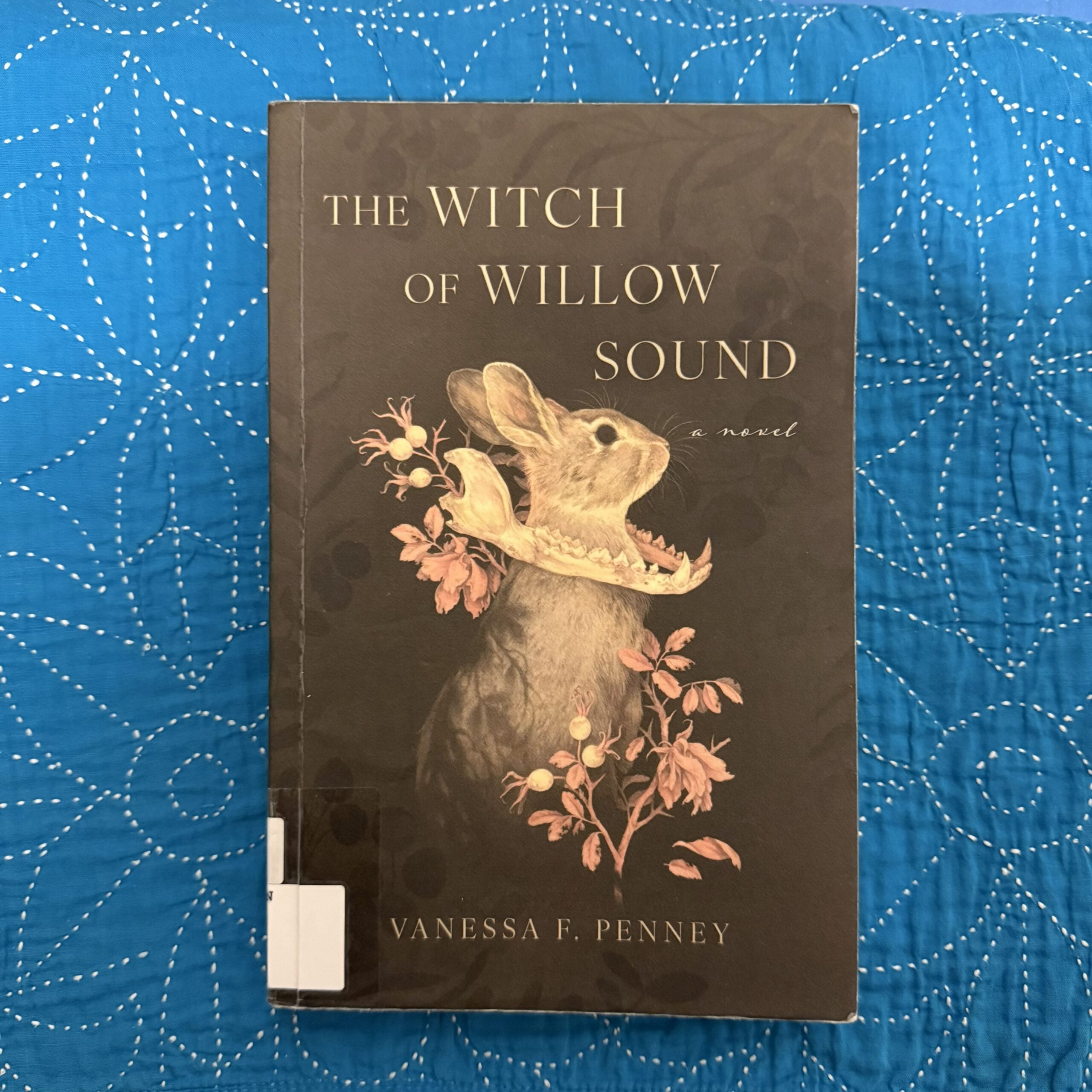
Review: The Witch of Willow Sound by Vanessa F. Penney

The forest is too quiet. A suffocating quiet that makes you wonder if you lost your hearing, or lost your mind. Nova Scotia has places this still. For now.
page 25
Table of Contents
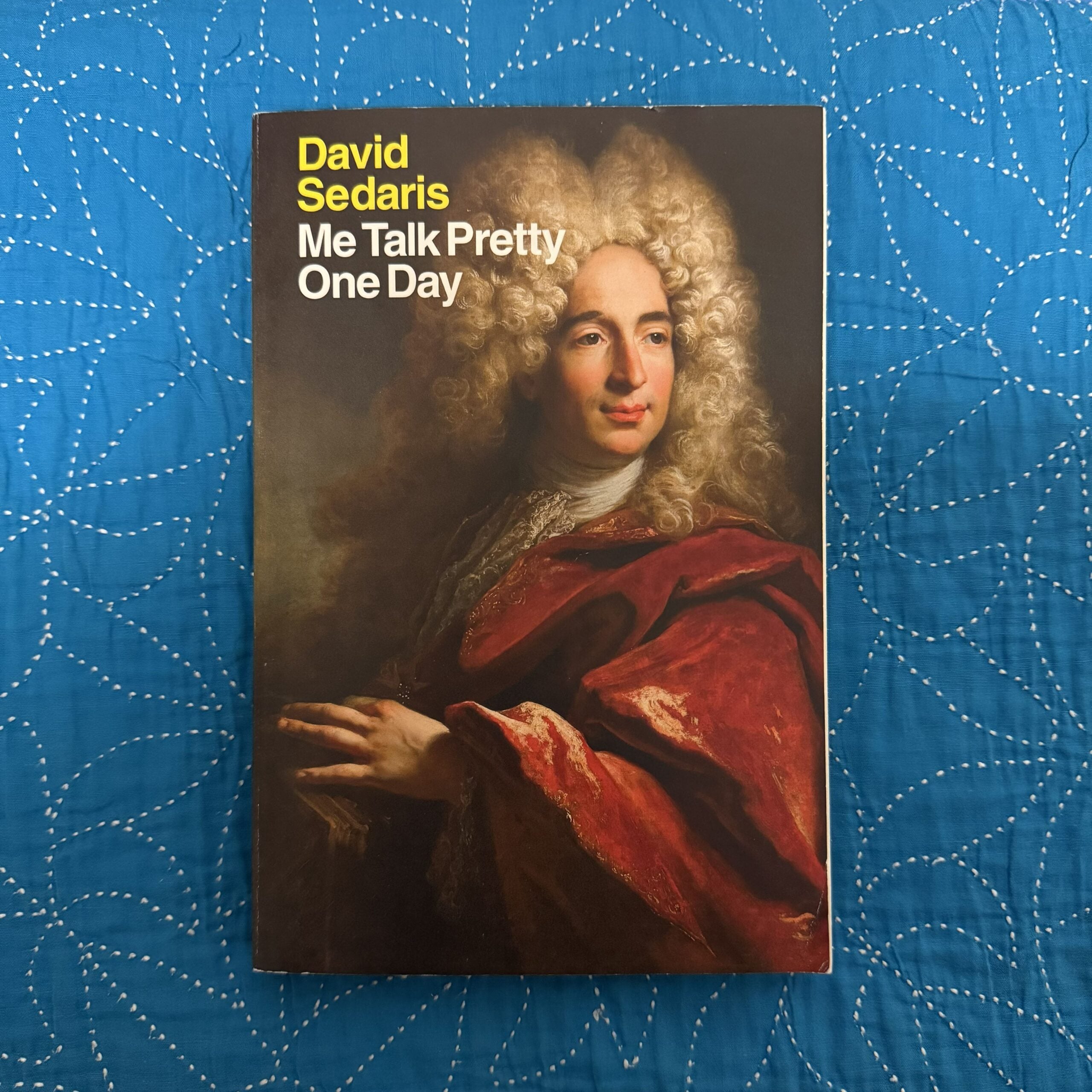
Review: Me Talk Pretty One Day by David Sedaris

“Bitch, I’m here to tell you that it’s going to be all right. We’ll get through this shit, motherfucker just you wait.”
page 68, You Can’t Kill the Rooster