Table of Contents
Preamble
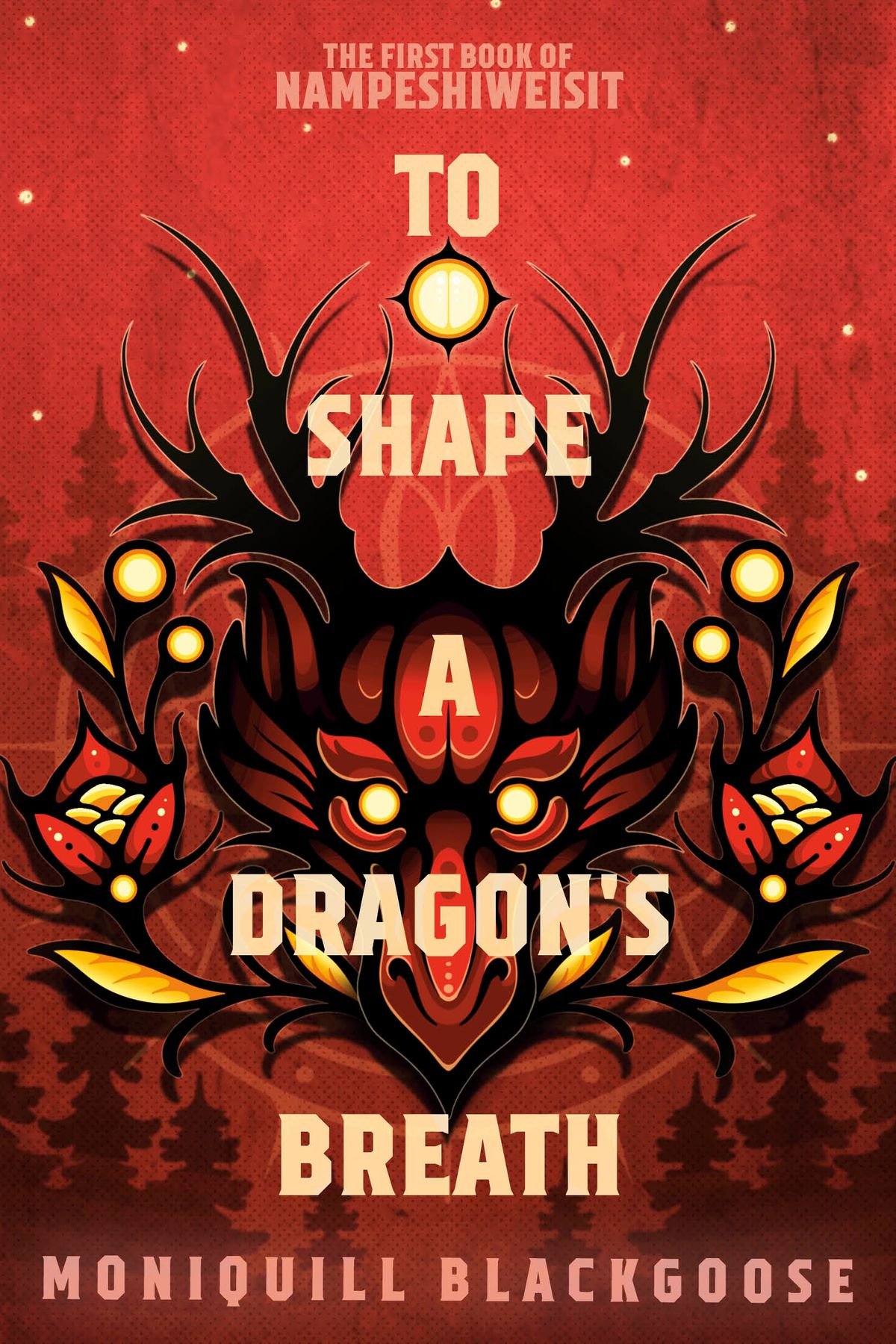
To Shape a Dragon’s Breath has been in my to-be-read pile for years. I think I first heard about it through cari can read. More recently I saw a positive review of it on Elliot Brooks’ channel that reinvigorated my interest in reading this.
I think one of the reasons that I put off reading this book for quite a while is that after reading a large number of YA fantasy books in 2022 I grew tired of YA fantasy as a genre. If you have been keeping track of my reading this year you’ll notice I have only read one other YA fantasy novel: the terrible Heavenly Tyrant. So I wasn’t too enthused about reading another YA fantasy novel and if not for Elliot’s review this would have languished in my TBR until I eventually removed it.
So without further ado, let’s get into it.
The Book
To Shape a Dragon’s Breath is not a subtle book. It wears its themes of racism and colonization on its sleeve and does not pull any punches when it comes to describing the relations between the colonized and the colonizer. The Storygraph page’s content warnings section lists the following under “Graphic”: Racism, Colonization, Ableism. These are accurate and if those are topics you’d rather not read about than you may want to skip this book.
I think the book explored these particular themes in a nuanced way with their various complexities interwoven through the narrative, character interactions and world in a way that felt well thought out. In some ways this book reminded me of other books that explored similar themes in a well thought out way namely Babel and Blood over Bright Haven.
Worldbuilding
The fantasy world in To Shape a Dragon’s Breath is the most interesting aspect of the book. This book is set in a steampunk fantasy world where the “Anglish” are the colonizing force which appears to have colonized parts of this book’s stand-in for North America. There are some parallels to real historical narratives of North American colonization present.
The “Anglish” colonizer society seems to be based off of Norse mythologies and societies. Their political hierarchies seem to include such titles as jarls and thanes. The magic system here is based on a scientific discipline called “skiltakraft” which to be quite honest I found rather confusing and seems vaguely inspired by alchemy and element transmutation. All of it revolves around dragons and the magic all of them contain.
Characters
I really enjoyed the cast of characters in this book. The main character Anequs is fiery, knows what she wants and is generally not afraid to speak her mind about the fucked up things happening to and around her. I found her disdain for the various incredibly silly and nonsensical social mores of the Anglish society to be hilarious.
Her dragon Kasaqua is also a delight. As far as animal companions in books go, the way this book described Kasaqua and it’s interactions with Anequs and the rest of the world is some of the best animal companionship stories I have read in a good while. The other dragons present are also characters of their own though they do not get as much description as Kasaqua does.
A couple other main characters – Sander and Theod were also characters I really liked. I especially appreciated the way the book portrays Sander’s disability in nuanced manner – portraying both the debilitating ableism he faces but also the positive interactions with his fellow students. Theod’s whole arc of discovering his family ancestry and breaking the chains of the colonizer’s assimilation tactics was rather heart warming.
As far as romance elements go, there is very very light romance in this book. Anequs has two characters who she forms a romantic relationship with but it is by no means the focus of the book or even much of a sub-plot. I appreciated this as one of the big complaints I’ve had of YA fantasy books in the past have been underdeveloped and uninteresting romance sub-plots.
Narrative
The narrative is the weakest part of the book. This book is mostly set in a boarding school and the main thrust of the narrative follows their academic pursuits – interactions with professors, other students, social events etc. While all of this is generally not something I dislike, it is not something I was particularly wowed by either.
The biggest criticism I have of this book is a technical one. The event narration prose on display here is stiff. More specifically, events in this book are narrative are described as such “I did this and then this happened. In the afternoon, we went to our class which was rather uneventful”.
It is not a debilitating flaw but this particular writing style was present throughout the book and very noticeable to the point where I felt it detracted from the other positive elements of the book such as the characters and the world. The book’s narrative flow is at its best in dialogue scenes because the dialogue feels natural in a way the event narration does not.
Conclusions
As far as YA fantasy books go, this is the best one I’ve read in a long time. Despite the weakness of its event narration prose, the world, its characters and their interactions make for a compelling story with a nuanced exploration of complex themes.
That said, this book made me realize something that has been the case for a few years now – I don’t enjoy YA fantasy, especially in comparison to adult fantasy. It is just not for me and I want to devote my limited time to reading fantasy genres I enjoy a lot more.
In fact I went ahead and removed all YA books from my to-be-read pile on Storygraph. This is in addition to another cleanup I did a month ago of other books in my TBR that I wasn’t planning on reading – I am trying to be more judicious in what books get on and stay on my TBR this year as a way to focus my reading on books I actually want to read as opposed to books I added just because they sounded interesting.
If you enjoy YA fantasy you could do a lot worse than this book.
If you enjoyed reading this post, please support my work directly through Stripe or via Patreon. Additionally, please share it with a friend you think would enjoy it.